 3 –5 Day Production
 Free USA Shipping
 100% Satisfaction Guaranteed

SD vs HD Engraving: What Really Sets Them Apart?
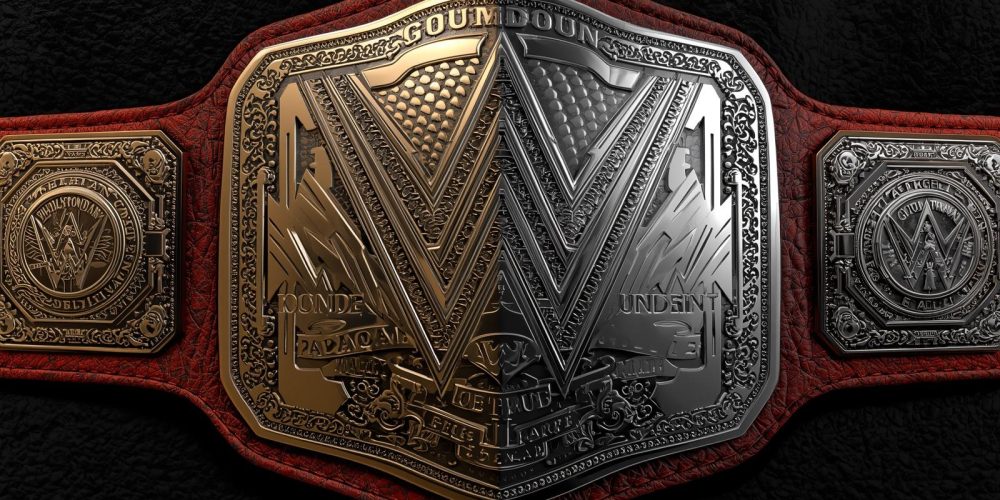
SD vs HD Engraving: What Really Sets Them Apart?
The global custom awards market is worth over $8 billion today. Buyers consistently rank craftsmanship as the single most important factor in that space.
SD vs HD Engraving: What’s the Difference? comes down to one clear contrast: SD uses chemical etching to create flat, surface-level designs on metal plates, while HD uses CNC machines to physically carve deep, precise designs into the plate.
That gap runs much deeper than most buyers realize when placing a custom belt order. Which engraving method actually holds up, and which one quietly disappoints when it matters most?
What Is SD Engraving?
SD engraving uses a chemical process that selectively eats into the metal surface and leaves a flat, two-dimensional pattern behind. Simple logos and block text work reasonably well with this method.
Most SD plates run around 4mm thick, which limits how deep the carving can go. The finish looks clean from a distance but loses sharpness whenever a design gets remotely detailed.
SD engraving enters the market at a lower price point, making it attractive for budget-focused orders. However, those savings come with real trade-offs that become obvious once the belt arrives.
What Is HD Engraving?
HD engraving uses CNC machines to physically carve designs into metal with remarkable precision. The machine adjusts cutting depth across each section of the design and creates genuine three-dimensional results.
Fine lines stay sharp, small text stays legible, and layered artwork actually reads as intentionally layered. HD plates range from 4mm all the way to 16mm thick, giving craftsmen far more room to work.
The finished product carries visible depth and dimension that chemical etching simply cannot produce. HD engraving is where custom belts stop looking like props and start looking like real championship pieces.
SD vs HD Engraving at a Glance
Before diving deeper, it helps to see the key differences side by side. This table breaks down the most important comparison points clearly.
| Feature | SD Engraving | HD Engraving |
| Process | Chemical etching | CNC machine carving |
| Plate Thickness | ~4mm | 4mm to 16mm |
| Design Depth | Flat, surface-level | Deep, three-dimensional |
| Fine Detail Handling | Limited | Excellent |
| Durability | Moderate, wears faster | High, resistant to wear |
| Best For | Simple logos, basic text | Portraits, complex artwork |
| Price Range | Budget-friendly | Mid to premium range |
| Visual Impact | Clean but flat | Bold, dimensional, striking |
The table makes one thing obvious. SD engraving suits simple and affordable orders. HD engraving suits anyone who wants a belt that genuinely turns heads and holds its quality over time.
Depth: The Most Visible Difference
SD plates produce a flat, uniform surface with no real depth variation across the design. HD plates have sculptural depth that shifts and catches light beautifully from different angles.
Even a glance reveals the difference between a surface pattern and a physically carved design. HD engraving creates raised and recessed areas that interact with light naturally and make every element of the artwork stand out.
SD engraving produces the same flat tone across the entire plate regardless of how complex the design gets. For belts meant to impress at live events or in close-up photos, depth makes an enormous difference.
Durability: Which Engraving Holds Up Longer?
SD etching sits at the surface level, making it more vulnerable to scratches and fading over time. The chemical process does not cut deeply enough to protect fine details from regular handling and wear.
HD engraving cuts directly into the metal, and every carved line holds up far better against damage. A belt that sees frequent use, events, or long-term display maintains its sharp detail much longer with HD plates.
The investment in HD craftsmanship pays off every time that belt gets picked up and examined years down the road.
Design Complexity: Where SD Falls Short
Simple logos and clean block text perform reasonably well with SD engraving. Portraits, layered crests, textured backgrounds, and intricate borders are a completely different story.
The moment a design pushes beyond basic shapes, SD etching starts losing clarity and edge definition across the plate. HD engraving handles that complexity with confidence, preserving every fine line and detail throughout the entire carving process.
For championship belts built around specific branding or event themes, HD engraving becomes the only realistic option. The Elite Personalized Wrestling Belt shows exactly what detailed HD craftsmanship produces when it is done right.
Plate Thickness and Why It Matters
Plate thickness directly controls how much depth an engraving can realistically achieve on a finished belt. SD plates typically stay around 4mm, leaving very little room for dramatic carving or layered visual effects.
HD plates range from 4mm to 16mm, and that extra material creates a significant difference in the overall quality. Thicker plates allow craftsmen to vary the depth dramatically across a single complex design.
The result is a belt that looks genuinely carved and dimensional rather than flat and printed onto the surface. Thickness combined with HD precision is what creates that heavy, premium feel serious buyers immediately recognize.
Which One Actually Belongs on a Championship Belt?
HD engraving consistently wins when a belt needs to feel like a genuine championship-level piece worth keeping. SD works for casual or budget-friendly orders, but it falls short whenever detail, depth, and lasting quality are the real priority.
The Premium Custom Title Wrestling Belt is a strong example of what serious HD craftsmanship actually looks like when executed at the highest level. When the goal is a belt worth displaying and showing off for years, visit Handsy Championship Belts and build something truly worth remembering.
FAQs
Is SD engraving good enough for a custom championship belt?
SD works for simple designs and tight budgets, but HD produces noticeably sharper and more detailed results. Most buyers who care about lasting quality end up choosing HD.
How much more expensive is HD engraving compared to SD?
HD engraving costs more due to CNC machinery and the additional production time it requires. That price difference reflects directly in the finished belt’s quality and visual impact.
Can HD engraving replicate photo-realistic designs?
HD engraving handles detailed portraits and realistic artwork far better than SD etching does. Results also depend heavily on the quality of the original design file submitted for production.
What plate thickness works best for HD engraving on championship belts?
Plates between 6mm and 10mm offer the best balance of depth, weight, and sharp detail. Thicker plates allow more dramatic carving without compromising the belt’s structural integrity.