 3 –5 Day Production
 Free USA Shipping
 100% Satisfaction Guaranteed

WCW Championship Belts: The Golden Legacy Every Wrestling Fan Should Know
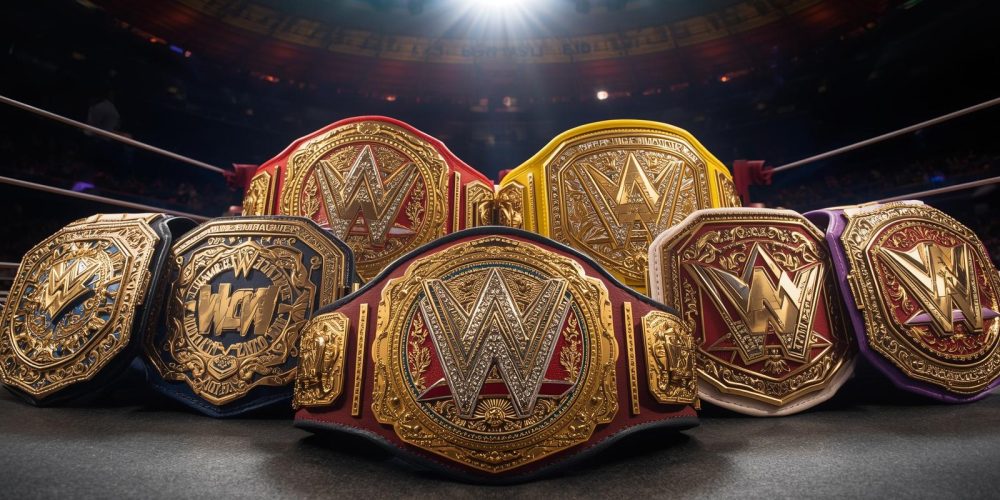
WCW Championship Belts: The Golden Legacy Every Wrestling Fan Should Know
Some things from 90s wrestling simply never get old. The rivalries, the moments, the larger-than-life personalities all left a permanent mark.
The iconic Big Gold Belt dates back to February 1986, handcrafted by Nevada silversmith Charles Crumrine, who originally specialized in rodeo buckles. WCW Championship Belts were never just props.
They were handcrafted symbols that defined an entire golden era of professional wrestling. Hulk Hogan alone carried the WCW World Heavyweight title for 469 consecutive days during his first reign.
The stories living inside these belts go far deeper than most fans ever realize. What actually made them so special, and why does the obsession around them refuse to die?
The Big Gold Belt: Where It All Began
The Big Gold Belt earned its legendary status through real craftsmanship. Jim Crockett Jr. commissioned Charles Crumrine to build it, and it debuted at “Battle of the Belts II” in February 1986.
The plate size and engraving depth immediately set a new standard. When Ric Flair left WCW in 1991 after Jim Herd refused to return his $25,000 deposit, Flair walked straight out carrying the belt with him.
That moment turned a championship into living folklore. Fans chasing that same craftsmanship today should explore a Crafted Wrestling Championship Belt built with identical attention to detail.
What the nWo Did to the Title
The nWo storyline completely changed how fans viewed WCW Championship Belts. Hollywood Hogan spray-painted the Big Gold Belt with black nWo initials every single time he captured the championship. Half the fanbase hated it.
The other half thought it was the boldest heel move ever pulled off in wrestling. Both groups kept watching anyway. By 2000, the WCW title changed hands 25 times, with five reigns not even lasting a full 24 hours.
The booking chaos hurt television’s credibility, but collectors’ passion for that turbulent era only grew stronger over time.
The Titles Most Fans Completely Overlook
Everyone remembers the World Heavyweight title, but WCW built a whole championship structure worth knowing.
The Cruiserweight Championship featured striking red and black plate accents, representing the fastest and most exciting wrestling WCW consistently delivered. Booker T held the Television Championship six times, keeping that belt relevant when nobody else could.
WCW also launched a Six-Man Tag Team Championship in 1991, built around elevating mid-card factions, though it quietly disappeared within a couple of years. Organizations wanting that same earned prestige will find that a Corporate championship belt carries real symbolic weight in any professional setting.
Why Collectors Still Actively Chase These Belts
The market for WCW Championship Belts stays genuinely competitive, and that surprises nobody who understands the history. Original television-used belts command premium prices because their historical provenance makes them the most significant pieces any collector can own.
Quality replicas typically run between $250 and $600, with serious options featuring 24k gold plating, deep engraving, and genuine leather straps. The gap between a cheap replica and a proper one is obvious the second someone picks it up.
Anyone investing seriously should consider a New Custom Project Championship Belt built to exact original specifications from the start.
A Design Legacy That Outlived WCW Itself
WCW closed in 2001, but its championship design philosophy kept showing up everywhere afterward. WWE carried WCW belt aesthetics forward after the acquisition, and those design choices shaped professional wrestling’s championship presentation for years.
The Big Gold Belt even co-represented the Undisputed WWF Championship alongside the WWF title belt until Triple H received a new belt in April 2002. A design that survives a company’s collapse and still earns respect across rival promotions says everything. WCW built that legacy one carefully crafted plate at a time.
Keeping a Belt in Proper Shape
Owning a WCW Championship Belt means actually maintaining it properly from day one. Leather straps dry out faster than most owners expect, especially in low-humidity rooms.
Light conditioning every few months prevents cracking before it visibly starts. Gold-plated plates tarnish faster with repeated bare-hand contact during handling. Acrylic display cases protect the finish without hiding any of the detail work underneath.
A belt stored carelessly for a few years looks noticeably rough compared to one receiving basic regular care. That gap only widens significantly over time.
FAQs
What is the most famous WCW Championship Belt?
The Big Gold Belt holds that title easily, debuting in 1986 and still appearing on WWE television in 2002.
How much does a quality WCW replica cost?
Expect to spend between $250 and $600 for genuine leather, gold plating, and accurate engraving detail.
Are original WCW belts worth buying as investments?
Ring-used originals hold strong resale value backed by real history. Replicas work better purely as display pieces.
Which WCW title is hardest to find as a replica?
The Six-Man Tag and Cruiserweight Tag titles are rarely produced because collector demand for them remains narrow.
What separates a good replica from a cheap one?
Plate thickness, leather quality, and engraving depth tell the full story immediately when held in person.
Did WCW belts appear in WWE after 2001?
The Big Gold Belt appeared throughout the Invasion storyline and briefly co-represented the Undisputed WWF title before April 2002.