 3 –5 Day Production
 Free USA Shipping
 100% Satisfaction Guaranteed

The ECW Championship Belt: A Legacy Carved in Extreme Gold
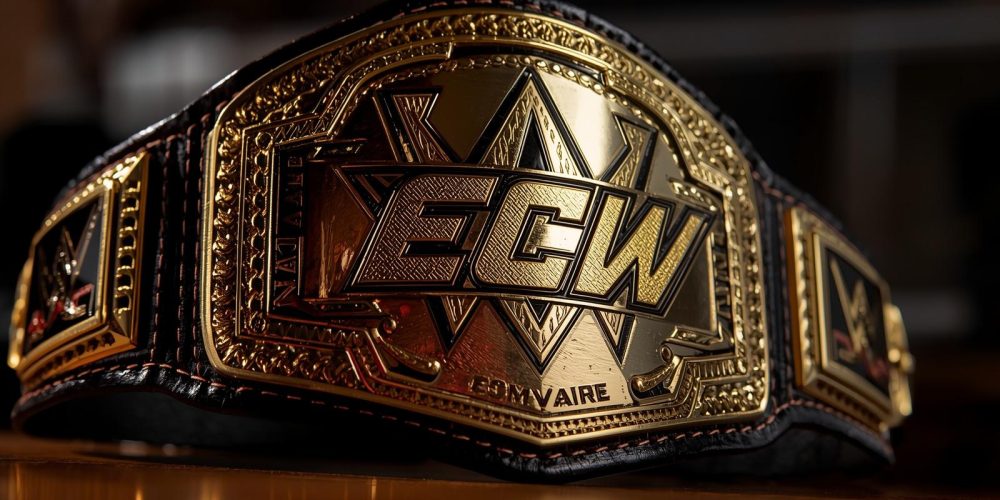
The ECW Championship Belt: A Legacy Carved in Extreme Gold
Some championship belts just hang on walls collecting dust. The ECW Championship Belt lives in a completely different league. Since 1992, this title has passed through 32 individuals across 49 reigns.
Not one of those reigns felt forgettable. Extreme Championship Wrestling wasn’t built on pageantry. It was built on barbed wire, broken tables, and raw emotion. The history behind this belt runs deeper than most fans realize.
What design choices made it iconic? Which champions shaped its legacy the most? Keep reading, the answers might surprise even the most devoted wrestling fan.
The Origins: Where Extreme Was Born
Eastern Championship Wrestling started as a regional Philadelphia outfit that nobody noticed. That changed on August 27, 1994, when Shane Douglas threw the NWA title to the ground. He declared himself the first-ever ECW World Heavyweight Champion instead.
That single act of defiance created something real. The original belt featured geographic outlines of Pennsylvania, New Jersey, and Delaware. It started regional but carried massive ambitions from the very beginning.
The Belt Designs That Told the Story
Championship belts communicate intent, and the ECW Championship Belt said everything through its design. The 1998 version, designed by Joe Marshall, remains the most iconic.
It featured chain-link fencing, a blue globe, and baseball bats wrapped in barbed wire. The words “Heavyweight Wrestling” were styled to look like they were actively bleeding.
That wasn’t a mistake; it was a deliberate artistic statement. For those who appreciate that level of intentional detail, Crafted Wrestling Championship Belt work operates at exactly that standard.
The Champions Who Made It Matter
The ECW Championship Belt attracted wrestlers who genuinely changed the industry. Shane Douglas, Taz, Terry Funk, Rob Van Dam, and Eddie Guerrero all held it. The Sandman holds the record with five total reigns.
Shane Douglas holds the longest single reign at 406 days during his fourth run. These weren’t forgettable champions filling time. Every reign added something meaningful to the title’s growing reputation.
The Cross-Promotional Drama That Proved Its Weight
When Mike Awesome jumped to WCW while holding the ECW Championship Belt, Paul Heyman filed a legal injunction immediately. WWE then loaned Taz for a one-night appearance just to reclaim the title.
On April 13, 2000, Taz defeated Awesome in Indianapolis to bring the belt back. Two wrestlers from competing promotions fought over a third promotion’s championship. Nobody does that for a prop. That legal battle proved how seriously this title functioned as real intellectual property.
When WWE Revived the ECW Championship Belt
WWE launched an ECW brand in June 2006 and brought the ECW Championship Belt back. They initially used a close replica of the beloved 1998 design. In July 2008, a new platinum-plated version arrived with a phoenix centerpiece and jagged borders.
It looked striking but divided the fanbase immediately. Purists preferred the raw energy of the original. If building a piece that captures that original energy matters to you, explore New Custom Project Championship Belt options built around your vision.
Why Collectors Still Chase the ECW Championship Belt
The ECW Championship Belt remains one of wrestling’s most sought-after collectible pieces today. The appeal goes beyond nostalgia into genuine cultural weight. A well-made replica captures several specific details that define the original:
- Chain-link and barbed wire imagery on the 1998 centerpiece
- Deliberately styled bleeding text communicating violence through typography
- Black leather strap contrasting sharply against gold-plated hardware
- Five-plate construction gives the belt real physical presence
Poorly made replicas lose everything the original communicated. Quality craftsmanship here isn’t optional; it’s the whole point.
The Cultural Impact That Outlasted ECW
ECW filed for bankruptcy in 2001, but the ECW Championship Belt never really disappeared from conversation. The wrestlers who carried it brought that same philosophy into WWE, TNA, and ROH.
The 1998 broken-text design still gets referenced in championship aesthetics discussions today. The Shane Douglas defection moment still gets studied as exceptional character work.
That belt grew more significant after ECW closed, not less. Distance made its legacy easier to fully appreciate. Explore championship-grade craftsmanship that honors legacies like this at Corporate level at Handsy Championship Belts.
FAQs
How many people held the ECW Championship Belt?
32 individuals shared 49 reigns from April 1992 through February 2010.
Who held it the most times?
The Sandman held the ECW Championship Belt five times, more than any other wrestler.
What was the longest reign?
Shane Douglas held it for 406 days during his fourth championship run.
What makes the 1998 design special?
It featured barbed wire imagery and deliberately “bleeding” text, making it one of wrestling’s most intentional title designs.
Can collectors get quality replicas?
Yes, high-quality replicas faithfully reproduce the original plate construction, strap material, and hardware finish that define the belt.
Did WWE bring it back?
WWE reactivated it in 2006, introduced a new design in 2008, and then retired the championship entirely in 2010.
Why do collectors value it so highly?
The belt carries real cultural weight, representing ECW’s philosophy of authenticity, intensity, and rebellion against corporate wrestling.