 3 –5 Day Production
 Free USA Shipping
 100% Satisfaction Guaranteed

Wrestling Belts: Legacy, Design & Prestige

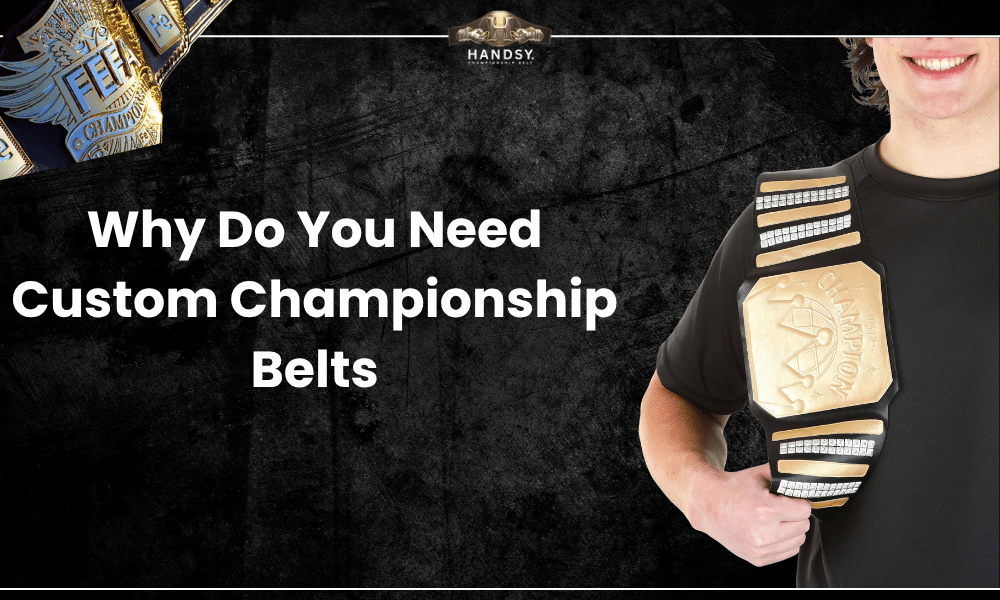
Wrestling championship belts transcend their physical construction of metal and leather. Each custom-designed title narrates a story from Stone Cold’s rebellious Smoking Skull to WCW’s sophisticated globe designs. The craftsmanship evident in gold plating, textured straps, and engraved details transforms these accessories into symbols of dominance and cultural significance.
What makes these belts remarkable is how legendary wrestlers elevated their designs through presence and achievement. Ric Flair, Batista, and The Rock didn’t simply wear belts; they became inseparable from them. Whether examining the flashy Spinner Belt of the 2000s or modern minimalist designs, every championship embodies the legacy of those who wore it. These pieces transcend wrestling, becoming pop culture phenomena that define generations.
The Legacy Factor: Building Empires Through Championships
Golden Era Icons
Legendary champions like Bret Hart, Yokozuna, and Diesel established championship credibility through legitimate wrestling dominance. The Winged Eagle belt captured golden era tradition with its grand centerpiece, while WCW’s Big Gold Belt maintained authority through respected champions like Sting and Goldberg.
Contemporary Prestige
Modern titles like the AEW World Championship prove prestige isn’t determined by age alone. Jon Moxley and CM Punk established immediate legitimacy through supreme credibility. The Undisputed Championship, unifying WCW and WWE lineages, commanded instant reverence. Each respected champion becomes their belt’s voice, regardless of its design era.
Psychology of Championship Design
Championship aesthetics communicate deeper meanings about an era’s wrestling philosophy. When John Cena needed swagger, the Spinner Belt arrived with its flashy rotating mechanism, capturing mid-2000s hip-hop-inspired pop culture. This wasn’t accidental; it reflected intentional design choices. Meanwhile, modern austere designs communicate a shift toward international legitimacy and sophisticated presentation. Each aesthetic choice reveals what a promotion valued during a specific period.
Craftsmanship: The Tangible Achievement
The artistry behind wrestling titles distinguishes them from mere props. Solid leather straps paired with authentic metal construction create collectible objects worthy of preservation. Detailed side plates and intricate engraving elevate championship designs beyond sporting equipment into tangible symbols of achievement. The gold plate centerpieces represent genuine artisanship rather than cosmetic appeal, resonating with collectors who understand they’re preserving authentically constructed artifacts.
Prestige: The Invisible Weight
Beyond physical construction lies the true measure of a championship’s power. When someone holds the NWA World Heavyweight Championship established in 1948, they inherit a legacy spanning generations, connecting them to Lou Thesz, Harley Race, and Nick Bockwinkel. This prestige comes from joining an exclusive lineage where only wrestling’s toughest have held ground.
The Intercontinental Championship exemplifies this principle. Established in 1979, it maintained relevance because legends like Randy Savage and Shawn Michaels treated it as a path to greatness. When great wrestlers understand their role within this tradition, the championship elevates them, creating an inseparable connection between career and crown in wrestling history.
Looking for Championship Belts? Check out these Custom Championship Belts from Handsy Championship Belts.
Three Transformative Championships
The Undisputed Championship
When WWE merged its world championships in 2002, authority shifted dramatically. Brock Lesnar and Eddie Guerrero carried this unified vision through dominant reigns, legitimizing wrestling’s most ambitious unification storyline.
The Smoking Skull Championship
Stone Cold’s Smoking Skull proved rebellious customization could elevate prestige without compromising authority. This personal title demonstrated that tough competitors could wear belts reflecting their nature while maintaining legitimacy.
The IWGP Championship
New Japan’s IWGP championship transcends borders through striking design and craftsmanship. Established in 1987, Hiroshi Tanahashi and Kazuchika Okada elevated this prestigious title globally, proving Japanese wrestling’s excellence attracts worldwide recognition.
Regional Excellence: Beyond Corporate Boundaries
The ECW World Heavyweight Championship demonstrated that belt legitimacy transcends boardroom decisions. Champions like Shane Douglas, Taz, and The Sandman didn’t simply carry a belt; they reshaped what professional wrestling meant. The raw aesthetic communicated rebellion without requiring corporate validation, proving wrestling’s authenticity requires no apologies.
The NWA World Heavyweight Championship stands as a testament to wrestling’s oldest lineage. Its classic traditional design with a large gold plate represents wrestling’s golden era. True purists understand that prestigious status comes from effort, respect, and work inside the ring, not flashy embellishment outside it.
The Collector’s Perspective
From collecting wrestling history pieces, one learns these aren’t mere accolades; they’re symbols of an era’s essence. Design evolution from raw craftsmanship to calculated artistry reveals corporate priorities and confidence. Quality variations across decades whisper stories about what companies valued most. Every champion left fingerprints on metal, creating pieces that represent moments when superstars transformed into legends.
What separates devoted fans from casual observers is recognizing that design philosophy reflects a company’s vision. Thoughtful aesthetic choices transformed leather and gold into cultural touchstones, transcending their original purpose.
Conclusion
What separates a championship from mere metal is how legends wear their narrative across its surface. Goldberg, Triple H, and John Cena transformed prestigious titles through sheer presence. Yet aesthetics matter profoundly. The IWGP Championship represented Japanese wrestling’s soul, while WWE’s Big Eagle symbolized championship ambitions.
The legacy ultimately transcends craftsmanship and design alone. It’s etched into the hearts of those who understood that greatness comes from effort, respect, and presence. Whether praised or criticized, every championship marks a generation’s commitment to excellence over mediocrity. The true prestige lies not in the belt itself, but in the warrior who wears it.
Are you an organizer looking for good-quality custom belts, trophies, and plates? Must visit HandsyChampionshipBelts.
Frequently Asked Questions
FAQ 1: Are championship belts made of real metal?
Yes, each replica championship belt is constructed with authentic materials. Quality championship belts feature genuine metal center plates, solid brass components, and real leather straps.
FAQ 2: Do championship belts ship internationally?
Absolutely! Championship belts ship worldwide with fast-tracked delivery options available. Whether you’re collecting from the United States, Europe, Asia, or anywhere globally, international shipping ensures you can own these prestigious pieces.
FAQ 3: Can I customize my wrestling belt?
Yes, championship belts offer extensive customization options. You can add custom engraving on side plates and centerpieces, choose from various logo options, and personalize your belt to reflect your preferences.