 3 –5 Day Production
 Free USA Shipping
 100% Satisfaction Guaranteed

How to Clean a Championship Belt the Right Way
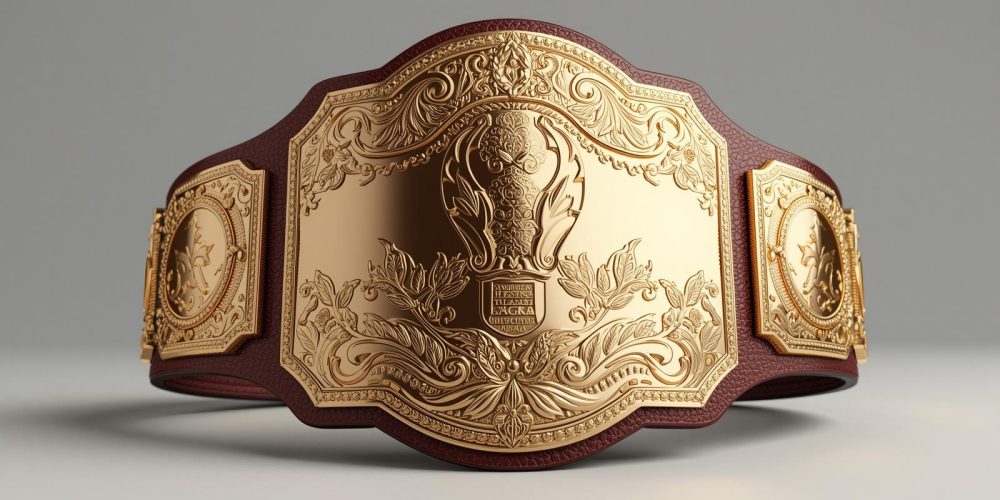
How to Clean a Championship Belt the Right Way
A lot of belt owners earn their title and then completely forget the belt needs maintenance. It either collects dust on a shelf or gets wiped down with a random kitchen cloth and is called clean.
To clean a championship belt, use a damp cloth with mild soap on the leather, polish the metal plates separately, and always condition the leather before it dries.
But here is the thing nobody warns about upfront: using the same product on every part of the belt is what causes most of the damage.
The leather, the metal plates, and the crystals all react differently to moisture and cleaning agents. So what actually goes wrong when someone grabs the wrong cloth and gets to work?
What the Belt Is Actually Built From
This part gets skipped too often, and it really shouldn’t. A typical championship belt has a genuine leather strap attached to metal plates, usually brass or zinc alloy, with gold or silver electroplating on the surface.
Many belts also carry crystals, colored enamel fills, or engraved logos across the plates. Leather is porous, which means it quietly soaks up sweat, skin oils, and airborne dust over time.
The metal plates sit exposed and pick up fingerprint smudges while slowly oxidizing underneath. Crystal stones are set with adhesive that water genuinely weakens over repeated exposure.
Three different materials are sitting on the same belt, and each one needs a completely separate approach.
Get the Right Supplies Together First
Going in without the right tools causes damage that no amount of cleaning fixes afterward. Here is what to have ready before starting:
- Two soft microfiber cloths
- An old toothbrush or soft-bristle brush
- Mild dish soap or saddle soap
- Leather conditioner
- Non-abrasive metal polish
- A small bowl of lukewarm water
- Cotton swabs for tight spots around engravings and gems
Paper towels feel harmless, but they leave fine scratches on plated metal over time. Alcohol-based sprays pull the natural oils straight out of leather and leave it stiff and brittle. Having the right supplies ready before touching Custom Championship Belts is honestly the step that separates people who maintain their belts well from people who accidentally wreck them.
Cleaning the Leather Strap
Put the belt flat on a clean dry surface before doing anything else. Take one microfiber cloth, dampen it with lukewarm water until it is barely moist, and run it across the leather once to pick up loose surface dust.
Then, put a small amount of saddle soap onto the cloth and work it into the leather slowly, using circular motions. The areas around the buckle hardware, strap holes, and edges always hold the most hidden buildup, so slow down there and give those spots proper attention.
Wipe off any leftover soap with a clean, damp cloth after. Then immediately put leather conditioner on before the strap has a chance to fully dry. Skipping the conditioner is the single most common reason leather championship belts start cracking within months of purchase.
Polishing the Metal Plates Back to Life
Grab a completely dry microfiber cloth and wipe the plates down before reaching for any product. Light smudging and fingerprint marks often lift off with just that one dry wipe.
For visible tarnish or dull areas that aren’t responding, apply a small amount of non-abrasive metal polish to the cloth and work across the plate surface using straight back-and-forth strokes.
Circular rubbing creates swirl marks on electroplated finishes that show up badly under direct light. After polishing, buff the plates with a fresh dry cloth until a clear reflection comes back.
WD-40, Windex, and automotive chrome products all damage electroplating badly and should stay far away from championship belt hardware entirely.
Working Around the Crystals and Engravings
This is the area where people tend to rush and then deeply regret it. Take a dry toothbrush and use it to gently sweep around and underneath each crystal to clear away dust and buildup without pulling on the setting.
Do not run water directly over crystal-set areas, and do not submerge any belt with decorative stones under any circumstances. The adhesive that holds those stones was not designed to handle repeated moisture exposure.
For engraved areas and logo cuts, dip a cotton swab lightly in water and trace carefully through each groove. Follow up with a dry swab immediately to pull moisture back out before it settles. That one habit alone stops a surprising amount of tarnish from quietly building up inside engraved details.
Drying the Belt Properly After Cleaning
Putting the belt away while any part of it still feels damp is a fast track to mold and deep metal tarnishing. Moisture sitting between the leather and the back of the metal plates creates real problems that are much harder to fix than the original dirt ever was.
Let the belt air dry completely on a flat surface at room temperature. Direct sunlight seems convenient, but it fades leather’s color and speeds up oxidation on the metal plates at the same time.
Once everything is fully dry, run a clean cloth lightly over the leather and the plates one more time. That final pass recovers the shine that the cleaning process temporarily takes away.
Storing the Belt Between Uses
Good storage honestly makes the next cleaning session half as much work. Keep the belt flat inside a padded case or wrapped loosely inside a soft cloth rather than folded or hanging.
Hanging puts constant tension on the leather strap and warps it slowly over several months without anyone noticing until the damage is obvious. Humidity does more long-term damage to both leather and metal than most people account for, so storing the belt somewhere genuinely dry matters.
A few silica gel packets dropped inside the storage bag handle ambient moisture effectively without any ongoing effort. Leagues that pass belts between members across seasons, like Fantasy Football leagues with a traveling trophy, should honestly include storage instructions with every handoff.
How Often Cleaning Actually Needs to Happen
There is no universal schedule that works for every belt in every situation. A belt that gets worn to events, passed between people, or handled regularly for photos needs a quick wipe after each use and a real deep clean roughly once a month.
A belt living in a display case only really needs a thorough cleaning every couple of months, with light dusting in between visits. The mistake most people make is waiting until the belt looks noticeably bad before doing anything about it.
By that point, tarnish has set deep into the metal, and the leather has already been losing moisture for a while. A little regular attention genuinely prevents a lot of heavy restoration work down the road.
When Cleaning Has Already Run Out of Road
Deeply scratched plates, cracked leather, missing crystals, and hardware that has come loose or shifted are all signs that cleaning alone is not going to bring the belt back.
At that point, reaching out to the original manufacturer or a professional who works with leather and metalwork is the right move rather than continuing to scrub something that needs actual repair.
Sometimes, though, that kind of damage just honestly means the belt has had a good run, and a replacement makes more sense. A new season, a company milestone, or a Corporate awards event are all natural moments to bring in something fresh.
Check out the full range at Handsy Championship Belts for belts built to actually hold up when they get the right care behind them.
FAQs
Can household cleaners like Windex work on a championship belt?
They strip leather and permanently dull plated metal surfaces, so avoid them completely. Mild soap on leather and a proper metal polish on plates are the only safe choices.
Is a hair dryer safe to use after cleaning the belt?
Direct heat dries leather way too fast and causes the surface to crack. Always let it air dry naturally on a flat surface at room temperature.
How does tarnishing on the metal plates get prevented between proper cleanings?
Handle the plates with cotton gloves so fingerprint oils never transfer onto the surface in the first place. Keeping the belt in sealed, dry storage between uses slows oxidation down significantly.
Does gold plating need to be cleaned differently from silver plating?
Gold plating scratches and dulls much more easily under pressure than silver handles without issue. Start with the gentlest possible method every single time and only increase pressure if the surface still is not responding.