 3 –5 Day Production
 Free USA Shipping
 100% Satisfaction Guaranteed

Design a Championship Belt That Turns Heads
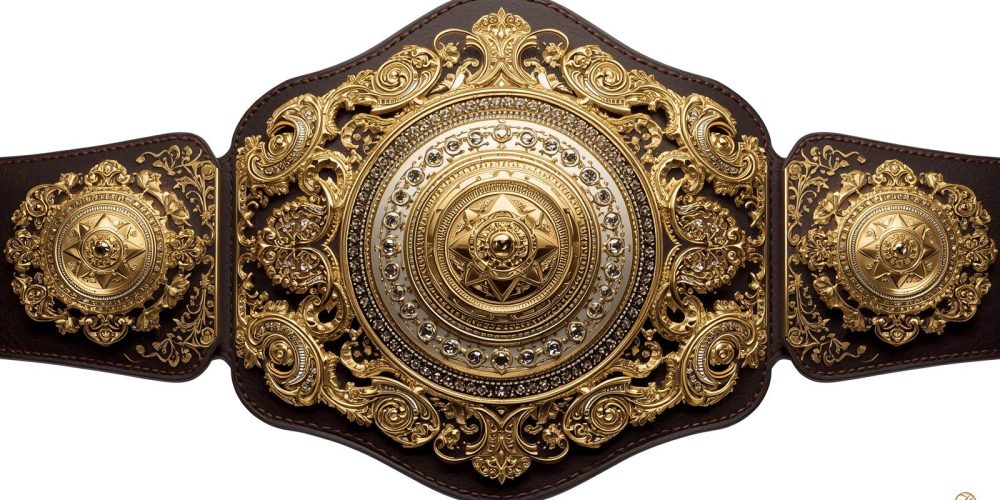
Design a Championship Belt That Turns Heads
A championship belt carries more meaning than most awards ever will. Research shows personalized recognition items are 68% more likely to be remembered and proudly displayed. The Step-by-Step Belt Design Process covers everything from the first concept to a finished belt that tells a real story.
Most people assume designing a belt is just picking a logo and a color scheme. The real process involves several layered decisions that shape how the belt looks, feels, and lasts.
Each decision builds on the last, and missing one can cost real money and time. What really separates a forgettable belt from one that becomes a legacy piece worth passing down?
Start with a Clear Vision Before Anything Else
Every iconic belt begins with a purpose, not a sketch. The first step in any solid Step-by-Step Belt Design Process is defining exactly what the belt represents.
A regional wrestling title calls for a completely different aesthetic than a retirement gift or tournament award. That purpose sets the direction for every decision that follows.
Writing down descriptive words such as bold, classic, aggressive, or refined keeps decisions focused throughout the whole journey. A Crafted Wrestling Championship Belt always starts this way, with clear thinking before any materials get selected.
Get the Measurements and Proportions Right
Sizing goes far beyond a basic waist measurement, and skipping this step causes real problems later. The main plate width, the number of side plates, the strap length, and the overall weight all need to work together.
A belt that looks massive in a product photo can feel completely off-balance when actually worn. Looking at reference images of belts being worn rather than laid flat gives a far more realistic sense of scale.
Getting proportions right early in the Step-by-Step Belt Design Process prevents expensive corrections from happening down the line.
Choose Materials That Match the Belt’s Purpose
Materials carry far more weight in the final result than most people ever expect. Full-grain leather holds up better over time and takes dye more evenly than split leather.
Zinc alloy works well for affordable plates, while brass handles premium builds with greater durability. Gold, silver, and antique finishes each give a completely different personality to the same base design.
Rhinestones add sparkle for show purposes while semi-precious stones signal something more ceremonial. An Elite Personalized Wrestling Belt uses materials chosen specifically for the occasion and the person who will wear it.
Design the Main Plate and Side Panels
The main plate carries the most visual weight and communicates the most information at a glance. Shape choices such as oval, rectangular, and shield each set a completely different tone.
Imagery options range from eagles and crests to custom logos and promotional artwork. Text placement covering the title name needs to stay readable without overwhelming the overall visual.
Side panels support the centerpiece and add balance to the layout. Keeping side details simpler than the main plate creates a flow that draws the eye naturally inward.
Work Closely with the Manufacturer
A reliable manufacturer asks clarifying questions and flags production issues before they become costly mistakes. Sharing reference images, color codes, and dimension details makes every conversation sharper and more productive.
Jumping straight into production without any back-and-forth is a red flag worth taking seriously. Digital mockups before production begins are a basic expectation, not a bonus.
For anyone searching for a Premium Custom Title Wrestling Belt that matches the original vision, collaboration matters most. Reaching out early gives more room to get every last detail exactly right.
Review, Approve, and Plan for Presentation
Before giving final approval, every single detail deserves a second look. Spelling on the plates, finish consistency, strap color, plate symmetry, and weight distribution all need careful attention.
Most manufacturers offer a digital proof or physical sample before full production starts, so requesting one is always worth it. A belt that went through a careful Step-by-Step Belt Design Process deserves a presentation that matches the effort behind it.
How it gets unveiled, photographed, or awarded contributes directly to the lasting impression it leaves on everyone present.
FAQs
How long does the belt design process typically take?
Most custom belts take between four and eight weeks from concept to delivery. Complex designs or busy production schedules can push that timeline a bit longer.
What is the minimum order quantity for custom championship belts?
Many manufacturers accept single-piece orders, especially for personal or commemorative pieces. Bulk orders for leagues or promotions often come with better pricing options.
Can an existing belt design be modified instead of starting from scratch?
Choosing a base design and adjusting the plates, strap color, and text is a very common approach. This method also cuts down on production time significantly.
What file format works best for submitting design artwork?
Vector files such as AI, EPS, or SVG scale without losing any quality. High-resolution PNG files can serve as a useful starting reference point.
Is a prototype available before full production begins?
Yes, and requesting one is strongly recommended for first-time or complex orders. It catches sizing issues and finish inconsistencies before they affect the full production run.