 3 –5 Day Production
 Free USA Shipping
 100% Satisfaction Guaranteed

Brass vs Zinc Belts: Which Metal Wins the Crown?
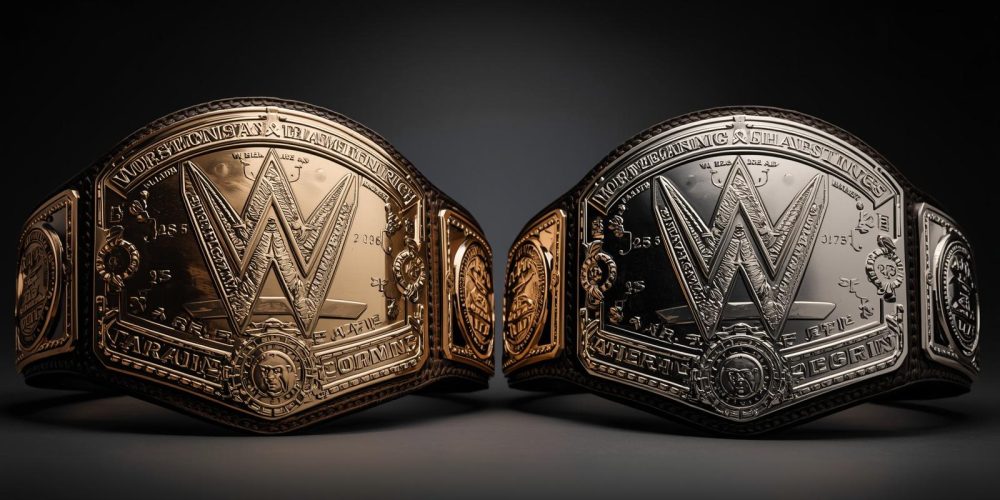
Brass vs Zinc Belts: Which Metal Wins the Crown?
A championship belt carries more weight than just metal and leather. It represents every hard-fought victory, every moment of glory, and every ounce of effort poured into earning it.
The global custom awards market now exceeds $5 billion, and championship belts are growing fast inside that number.So, brass vs zinc belts, to choose? Brass wins on durability and prestige. Zinc wins on affordability and speed.
But the real answer lives somewhere between the material, the purpose, and the budget. Most buyers assume both metals perform the same once plated. That assumption costs them later. Knowing exactly how these metals differ separates a smart purchase from an expensive regret.
What Makes Brass the Premium Choice
Brass has earned its reputation over centuries of metalwork. It is a copper-zinc alloy that machines cleanly and holds engraving detail beautifully over time. The natural malleability of solid brass means it bends under stress rather than cracking suddenly.
Professional wrestling organizations have used brass championship belts for decades, and that choice is no accident. Brass holds plating longer, survives repeated handling, and ages without degrading.
For a Crafted Wrestling Championship Belt built to last through years of use, brass is the obvious starting point. The trade-off is a higher price and a longer production timeline compared to zinc.
Where Zinc Alloy Fits the Picture
Zinc alloy flows easily into detailed molds during die-casting, which makes production faster and more affordable than brass machining. The finished plate looks nearly identical to brass once polished and plated to a shine.
Zinc championship belts work well for fantasy leagues, gaming tournaments, corporate events, and one-season promotions. The visual impact is strong and the cost stays manageable. However, zinc is harder and more brittle than brass.
Repeated stress, heavy travel, and frequent handling reveal that brittleness over time results in chips, cracks, and surface breakdown.
Brass vs Zinc Belts: Key Differences at a Glance
The brass vs zinc belts decision gets clearer with a direct side-by-side look. Brass feels noticeably heavier and more substantial to hold, while zinc is lighter and more comfortable to wear for extended periods.
In terms of durability, brass bends under impact, whereas zinc chips or cracks under the same pressure. Brass also resists oxidation naturally, but zinc depends entirely on its plating to prevent surface corrosion.
Cost-wise, zinc alloy runs significantly cheaper in both material and production, and its die-casting process turns orders around faster than brass machining does.
How Plating Behaves Differently on Each Metal
Gold, nickel, and antique finishes look stunning on both brass and zinc belts right out of production. The real difference shows up months or years down the line through everyday wear.
Brass provides a denser and more uniform surface for plating to bond onto tightly. That bond holds through humidity, temperature changes, and physical contact far better than zinc does.
Zinc alloy develops microscopic porosity over time, which causes plating to lift or peel faster on belts used regularly at live events or traveling between venues.
Choosing Based on Purpose, Not Just Price
Most buyers approach this decision based on budget alone, but purpose matters just as much. A zinc alloy belt serves short-term and low-frequency applications perfectly well. A brass belt earns its higher cost through long-term performance and resilience.
One-season league awards, promotional props, and display pieces suit zinc comfortably. Ongoing championships, professional promotions, and belts passed between winners season after season belong in brass.
Starting a new build? Explore a New Custom Project Championship Belt to match the right material to the right goal from the very beginning.
The Weight Factor and Why It Matters
Weight shapes how a belt feels during the moment of presentation more than most people expect. A heavier brass belt communicates real substance when lifted overhead at a live event, and that physical weight reinforces the significance of winning in a way no lightweight alternative quite replicates.
Zinc belts are lighter and more comfortable to wear for extended periods, which works well in casual settings and short promotional use. In professional contexts where stage presence and legitimacy matter on camera, brass consistently creates a stronger and more authentic impression.
Long-Term Maintenance and Care
Brass is remarkably restorable compared to most metals used in belt-making. Tarnished or scratched brass championship belt plates can be re-polished and re-plated reliably without compromising the core material.
The underlying metal stays fully workable indefinitely, which explains why antique brass hardware from decades past still gets restored today. Zinc alloy requires more careful handling to stay in good shape over the years.
Once the plating wears through significantly, re-plating becomes more complicated because porosity in aged zinc makes bonding new plating evenly much harder. Storing any zinc belt away from humidity and heat extends its lifespan considerably.
Conclusion
The brass vs zinc belts debate has a clear answer once purpose enters the conversation. Zinc delivers strong visual results at a lower cost and a faster turnaround, making it a practical choice for the right situation.
Brass delivers durability, authenticity, and long-term performance that zinc simply cannot match over time. Match the material to the application, and the belt works exactly as it should every single time.
FAQs
Which material lasts longer between brass and zinc championship belts?
Brass lasts significantly longer under frequent use and heavy handling. Zinc shows surface wear and damage faster once the plating begins to wear through.
Do brass and zinc belts look the same after plating?
Fresh off production, both look nearly identical to each other. Differences appear gradually through wear patterns and how long the surface finish holds.
Why do professional wrestling promotions choose brass over zinc?
Brass survives heavy travel and live event handling without cracking under pressure. The added weight also delivers a stronger visual impact on stage and camera.
Is zinc alloy a low-quality option for championship belts?
Zinc alloy is not low quality at all and suits casual short-term applications very well. Its limitations only become apparent under heavy and long-term use.
How can someone identify brass versus zinc in an existing belt?
Brass is not magnetic, while zinc alloy typically is when tested with a magnet. Brass also feels noticeably heavier than a zinc plate of the same size.