 3 –5 Day Production
 Free USA Shipping
 100% Satisfaction Guaranteed

WBC Boxing: Complete Guide for 2026
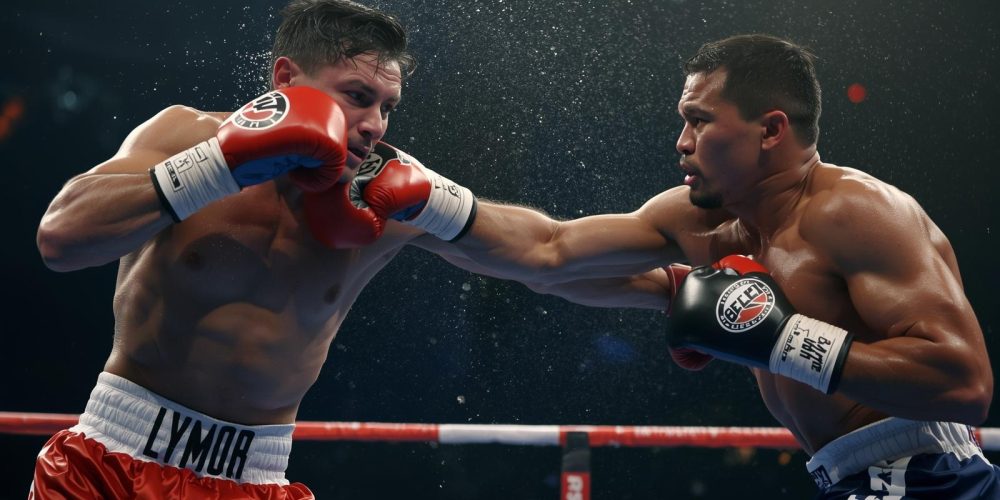
WBC Boxing: Complete Guide for 2026
Standing at boxing’s crossroads in 2026, understanding the WBC becomes essential for anyone following professional boxing. This international organization, established on February 14, 1963, in Mexico City, continues to regulate and promote the sport through its distinctive green championship belt and 161 member countries. From Mauricio Sulaimán, the current WBC President, leading the organization to navigate rivalry dynamics with the WBA, IBF, and WBO, this guide illuminates the organization’s evolving status amid modern challenges while exploring weight classes, champions, and initiatives shaping boxer welfare today.
What Makes WBC Boxing Special?
The boxing landscape transformed when the World Boxing Council emerged from Mexico City in 1963, uniting 11 countries under the President of Mexico, Adolfo López Mateo,s to unify global commissions. Among four major boxing organizations (IBF, WBA, WBO), this international professional boxing organization distinguished itself through unprecedented safety reforms following Kim Duk-koo’s tragic death in 1983, reducing championship distance from 15 rounds to 12 rounds, a decision that other organizations followed for boxers’ safety.
The Iconic Green Belt Legacy
World title belts bearing flags from 161 nations represent more than championships; they symbolize recognition earned through decades-long history mixing glory with turmoil. This prestigious distinction separates elite boxers from ordinary competitors, establishing international status through weight classes spanning Heavyweight to Atomweight.
WBC’s Role in Modern Boxing
Beyond regulating and promoting the sport globally, the Council established medical standards, athlete welfare initiatives, and boxer protection programs. Their expansion continues, setting global standards, influencing how sanctioning bodies approach unification bouts, and maintaining regulatory duties across continents.
Looking for a nice brass championship belt, then must check these 2mm Brass Championship belts, which you can customize on your own way.
Understanding WBC Championship Tiers
The World Boxing Council operates a sophisticated hierarchy that rewards boxers at different achievement levels, creating pathways that reflect both current dominance and historic contributions to the sport.
World Championship: The Ultimate Prize
Championship bouts held under WBC sanctioning follow strict 12-round protocol, distinguishing them from earlier eras when fights stretched to 15 rounds before 1983 reforms prioritized boxers’ safety. The standard green belt remains boxing’s most recognizable trophy, awarded through grueling world title matches across weight classes where fighters must satisfy mandatory challenger requirements at least once per year.
Diamond Championship: Historic Battles Only
Reserved exclusively for elite superfights between champions, the Diamond designation celebrates unification attempts. Floyd Mayweather Jr., Canelo Álvarez, and Terence Crawford earned these rare honors through bouts transcending typical title match significance.
Franchise & Emeritus: Legendary Status
Eternal Champion recognition honors retired boxers like Vitali Klitschko, who maintained 10 successful heavyweight title defenses without being knocked down before retirement in 2013.
How WBC Championships Work
The WBC’s sophisticated championship structure operates through mandatory defense requirements that shape competitive landscapes. Champions must navigate rankings while managing title obligations across multiple weight classes from heavyweight down to atomweight. Understanding this regulating framework reveals how organizations maintain legitimacy through structured pathways.
Mandatory Challengers & Rankings
Annual defense protocols ensure champions remain active, though requirements vary by division. Regional qualification through governing bodies like NABF, OPBF, and ABU creates paths for contenders seeking world title shots. The WBC uses rankings to determine mandatory challengers, balancing commercial interests with competitive merit.
Weight Classes & Divisions
17 male divisions span from heavyweight to atomweight, with equal opportunities in women’s boxing across 16 weight divisions. This expansion reflects boxing’s evolution, recognizing fighters who earned recognition through disciplined competition rather than promotional favoritism.
Looking for Sports championship belts? Must check these Custom Sports Championship Belts for your own league.
WBC’s Impact on Fighter Safety
The organization’s commitment to protecting athletes transformed professional boxing forever, establishing protocols that rippled across combat sports worldwide.
The 12-Round Rule Revolution
Following the tragic death of Kim Duk-koo from injuries sustained during his brutal 14-round fight against Ray Mancini, the WBC took an unprecedented step in reducing championship bout distance. This historic decision, followed by other sanctioning bodies, fundamentally altered how governing bodies approach athlete welfare.
Modern Safety Initiatives
Today’s WBC CARES program, alongside the Weight Management Program and Clean Boxing Program, represents ongoing initiatives overseen through rigorous regulatory duties. The José Sulaimán Boxer’s Fund provides welfare support, while Educational Outreach at conventions and special events helps younger audiences understand concussion protocols. Leaders at the helm continue steering the ship forward with passionate individuals who ensure these programs reach fighters worldwide.
Current WBC Landscape in 2026
The World Boxing Council’s landscape has evolved beyond mere championship battles, featuring an elite roster that represents global talent. Recent years have witnessed undisputed fighters like Terence Crawford, Canelo Álvarez, and Naoya Inoue dominate their respective divisions, while rising stars continue emerging across weight class boundaries.
Today’s Top Champions
Current world champions demonstrate undefeated prowess through mandatory title defenses, with pound-for-pound rankings having improved significantly. Unification bouts have become common, featuring boxers who hold multiple belts simultaneously. The WBC continues to recognize athletes through its Board of Governors, which maintains standards for legitimate competition.
What’s Next for WBC Boxing
Relations between sanctioning bodies WBA, IBF, and WBO have improved, making unification fights more accessible. This expansion benefits fans supporting the sport wholeheartedly, while partnerships with DAZN and Riyadh Season enhance global visibility. The organization promotes upcoming events through active social media presence on Instagram, Facebook, and YouTube.
Conclusion
Throughout decades of glory and turmoil, the World Boxing Council remains a top performer among the four major boxing organizations. Established in Mexico City, this international professional boxing organization continues promoting the beloved sport globally despite economic pressures felt throughout the sports industry everywhere. From last year’s annual convention, where over 500 members attended, the vibrant community spirit shone brightly. Looking ahead to future generations, we may yet witness another chapter unfold, rich with promise awaiting discovery beyond the horizon.
Are you an organizer who is looking for championship belts, rings, trophies, and much more? Must visit Handsy Championship Belts for customized titles and awards.